Tooth Extraction
Discuss an additional protective dressing option for eligible post-extraction sites.
Watch Application Video for tooth extractionOra-Aid · Intraoral Wound Care
Discover Ora-Aid, a dentist-applied dressing for additional physical protection over selected oral surgical and soft-tissue wound sites.
Explore selected procedures where an additional protective dressing may be considered.
Discuss an additional protective dressing option for eligible post-extraction sites.
Watch Application Video for tooth extraction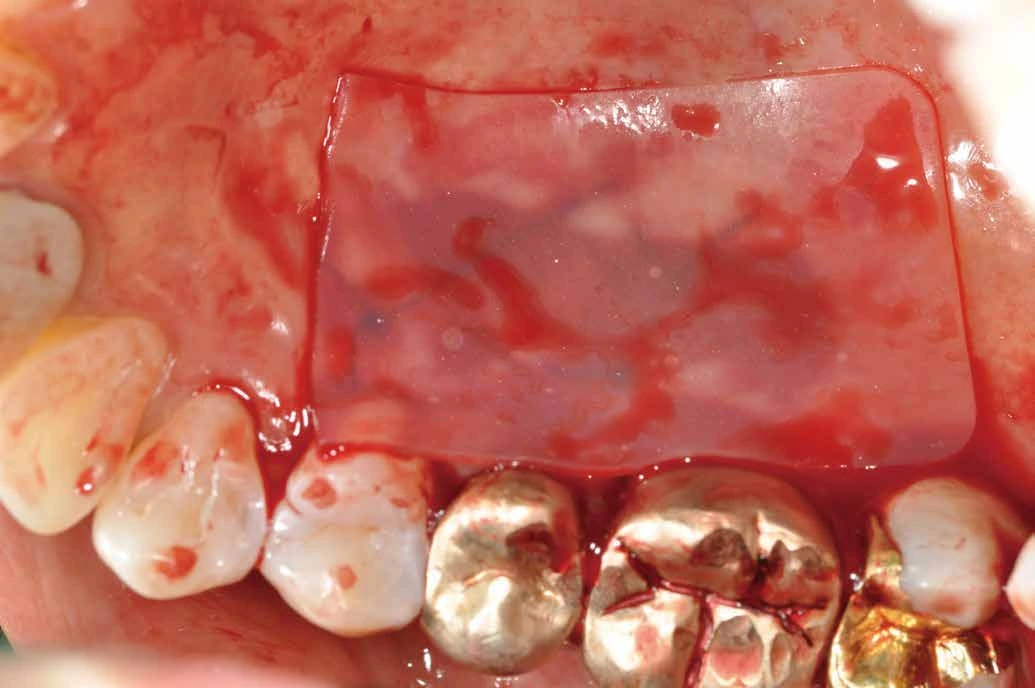
Discuss selected periodontal surgical and soft-tissue graft sites.
Watch Application Video for periodontal procedures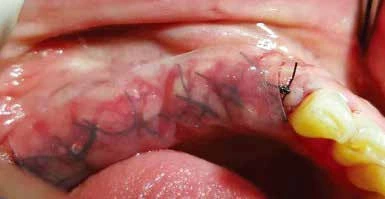
Consider additional protective coverage following selected implant-related procedures.
Watch Application Video for implant-related procedures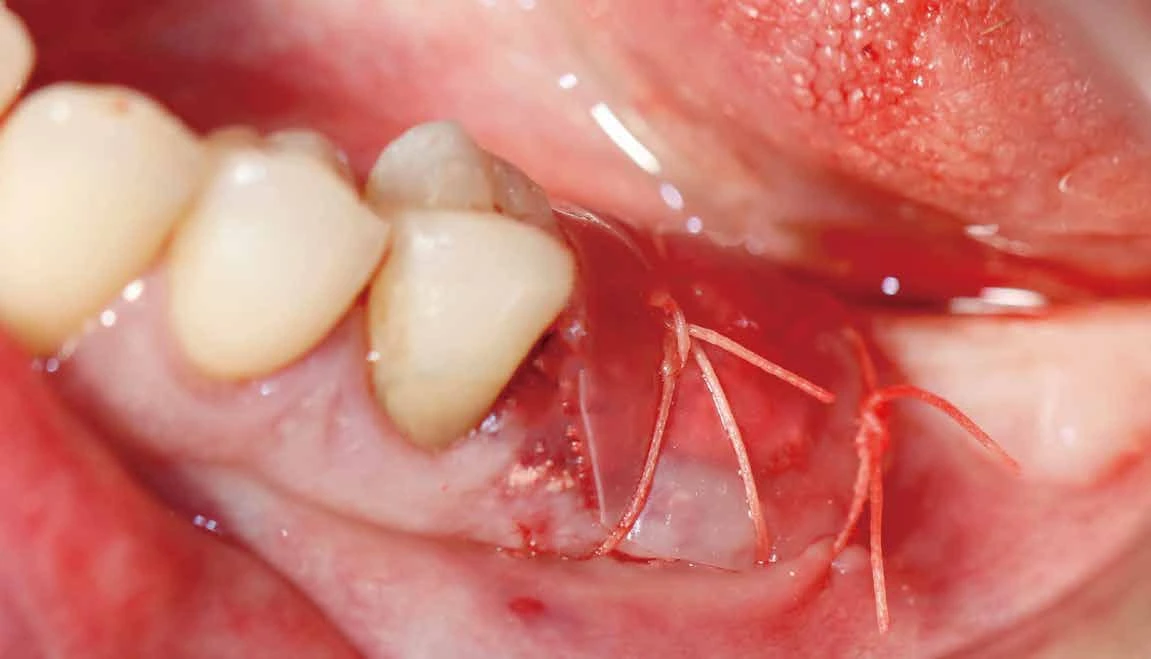
Discuss selected bone-grafting and guided bone regeneration sites.
Watch Application Video for bone graftingThese are potential applications for discussion, not a list of approved indications. Confirm each use against the approved local product labeling and the clinician’s assessment.
A bi-layer dressing with physical coverage and moisture-activated adhesion.
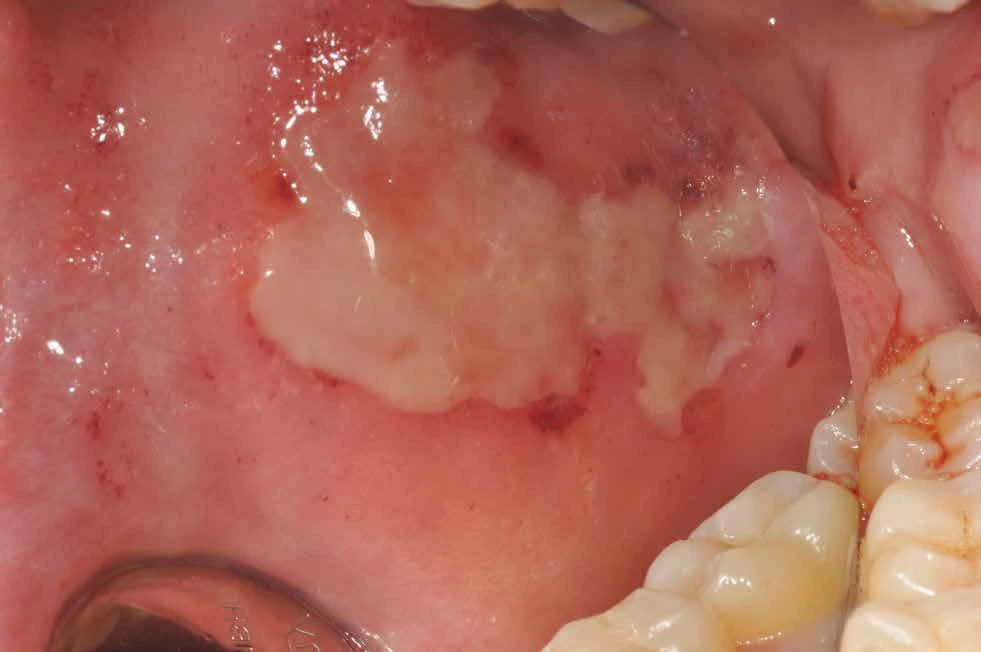
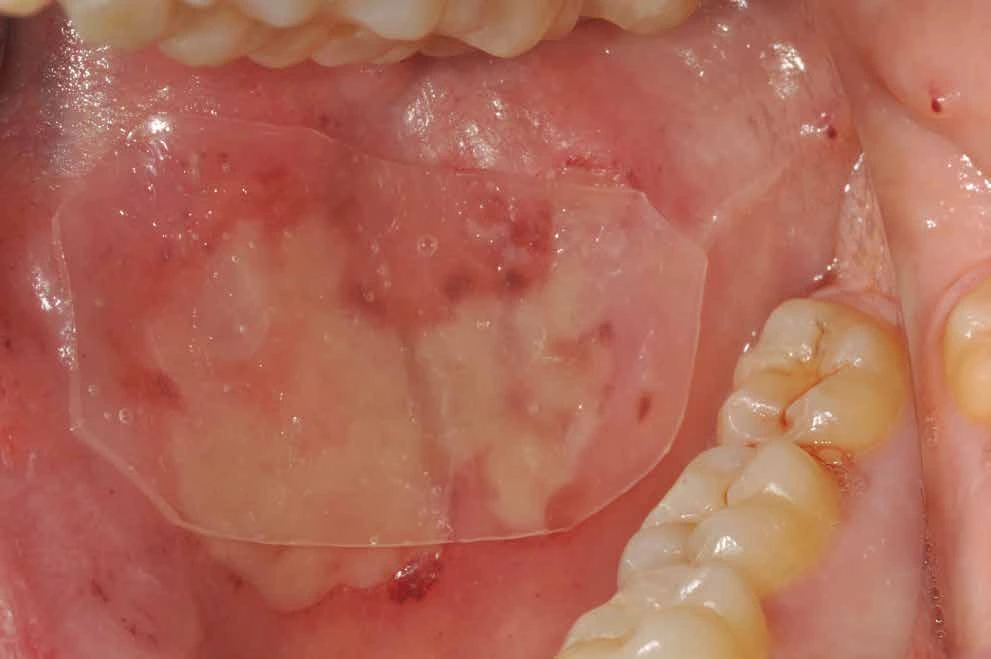
Oral wound before dressing placement.
Dressing covering the oral wound.
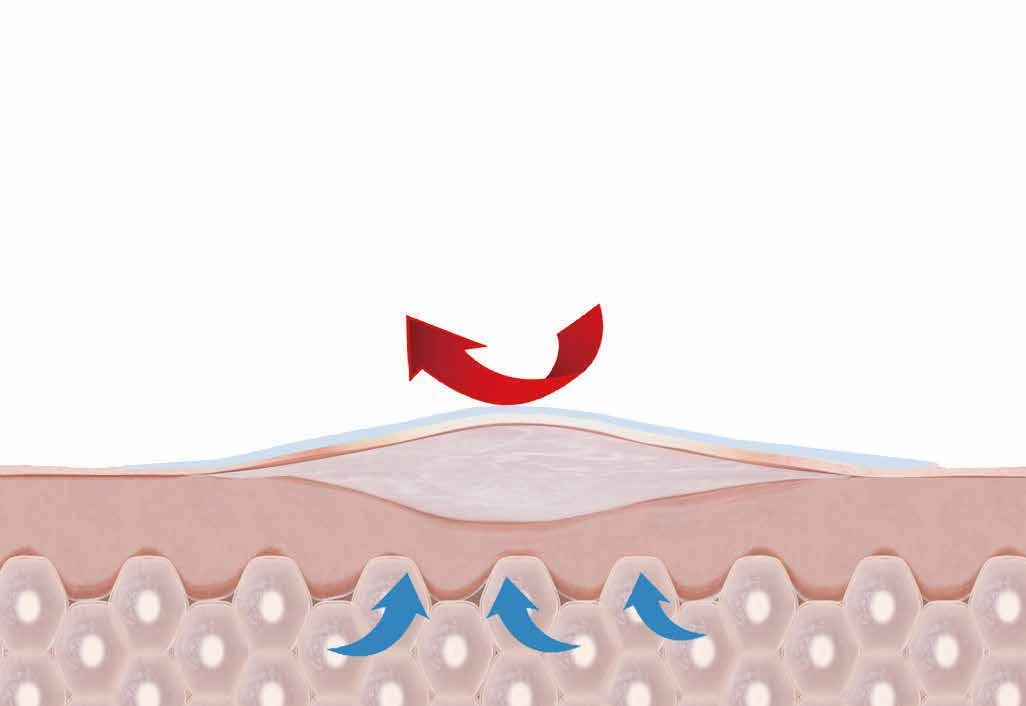
Illustration of the protective barrier.
Photographs and the existing barrier illustration show coverage, not a complete application protocol. Attachment varies with placement and oral conditions.
Practical questions for dental teams.
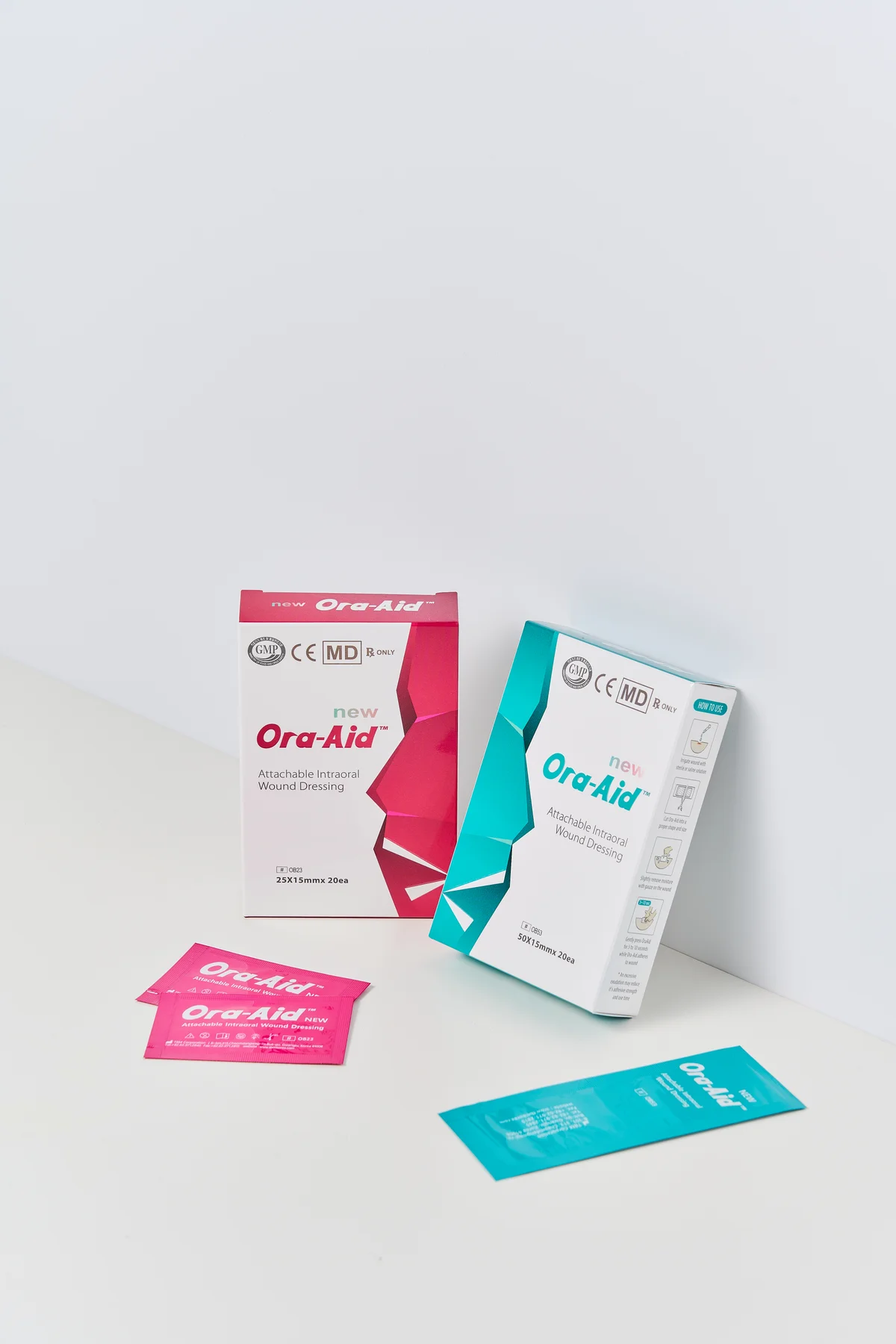
Ora-Aid is a non-eugenol, bi-layer intraoral wound dressing that provides an additional physical covering over selected oral wounds and surgical sites.
Clinical reports show examples involving extractions, periodontal flap procedures, implant-related surgery, socket grafting, and palatal graft donor sites. These examples are not a complete list of approved local indications; suitability depends on current labeling and the clinician’s assessment.
The adhesive layer responds to oral moisture, helping the dressing attach while the outer layer provides physical coverage.
Attachment varies with the site, fixation, and oral conditions. The supplied studies report different retention times in different clinical settings, so no fixed attachment duration is promised.
Clinical reports describe trimming the dressing to fit a selected site and positioning it over the wound. Review the procedure-specific video and follow the current manufacturer’s instructions for preparation, placement, fixation, and removal.
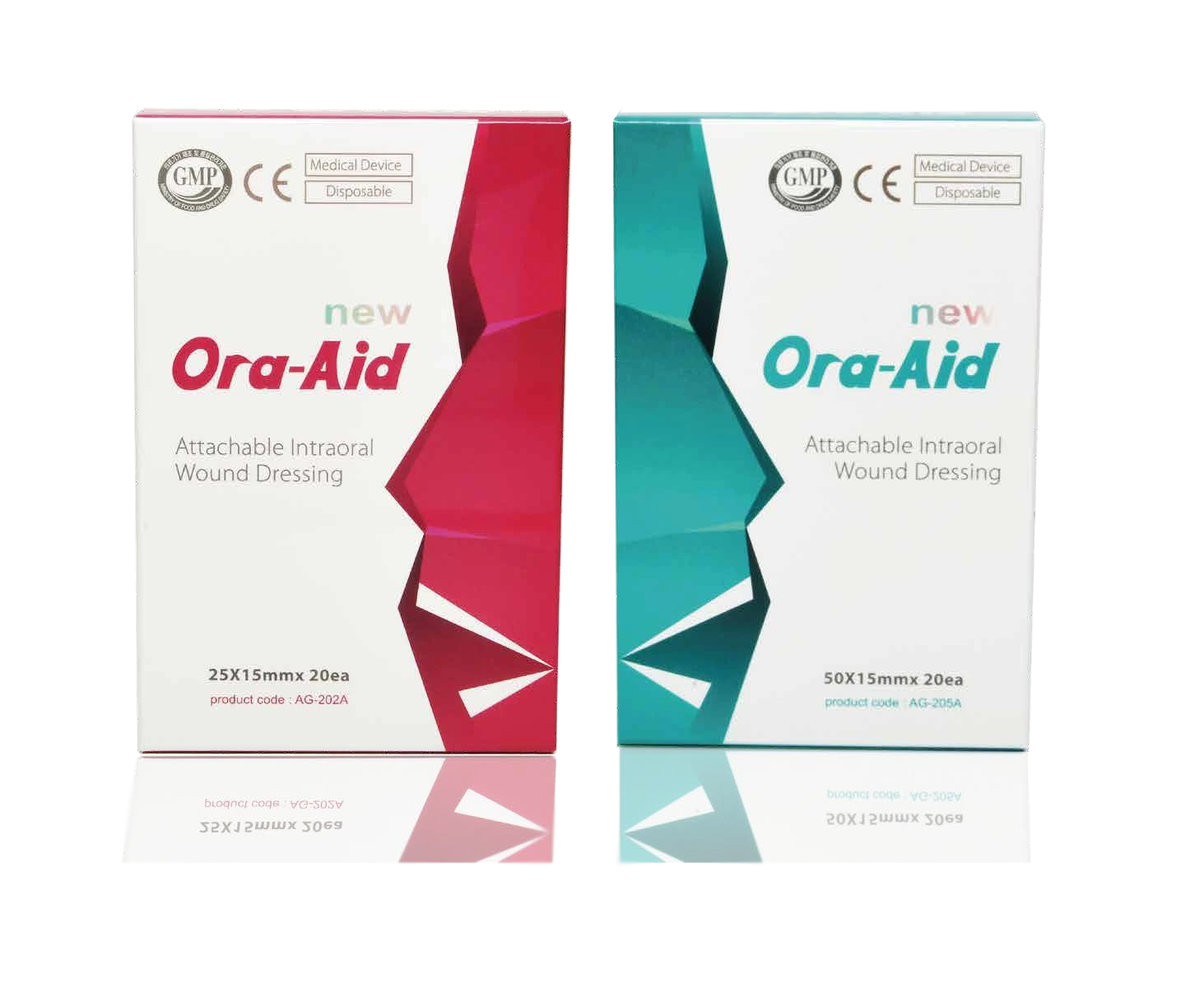
Watch Application VideosTBM product materials list 25 × 15 mm and 50 × 15 mm formats, with 20 patches per box. Confirm the current stock format and availability with SPMS.
The clinical documents include a five-patient palatal donor-site case series and a 60-patient comparative study of small acute oroantral communications, with 20 patients in the Ora-Aid group. Their findings apply to the studied settings and do not establish guaranteed healing, pain relief, or infection prevention for every patient.
View Published Study (opens in a new tab)Review preparation, positioning, adhesion, and handling before considering use.
Select a clinical application to view its video.
Open Tooth Extraction VideoSelect a procedure to view its application video.
Ask about product evaluation, availability, and clinic ordering requirements.